
Few things are more frustrating than clicking on a website and waiting for it to load. Internet users expect webpages to load instantly, and they usually leave if they don’t.
That’s why Content Delivery Networks (CDNs) matter. A CDN helps websites deliver content faster by reducing loading times.
However, many users don’t fully understand how CDNs actually work.
In this guide, I’ll explain everything you need to know about CDNs, so the next time someone asks, “What is a Content Delivery Network?” you’ll know how to explain it.
Let’s break it down in simple terms.
What Is a Content Delivery Network (CDN)?
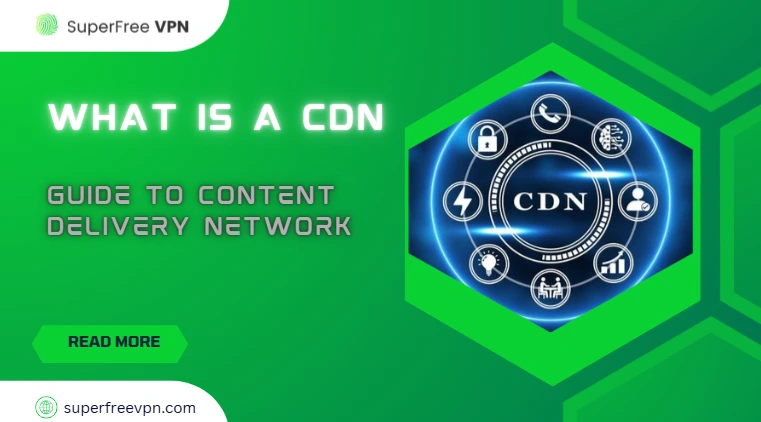
A Content Delivery Network (CDN) is a network of servers distributed across different geographic locations. These servers store cached versions of website content, such as images, videos, and webpages.
When a user visits a website, the CDN delivers the content from the server closest to their location. The result? Faster loading times and a better user experience.
CDNs play a huge role in keeping the internet fast and reliable. Major platforms like Netflix, Facebook, and Amazon rely on CDNs to deliver content quickly to users worldwide.
How Does a CDN Work?
Here’s how CDNs load web pages faster:
- A user visits a website
- The request is sent to the CDN
- The CDN identifies the edge server closest to the user
- The nearest edge server delivers cached content to the user
- If the content is not available on the edge server, the CDN retrieves it from the origin server
- The content is then cached on the edge server for future requests
As a result, you don’t have to wait for the content to be delivered from the origin server every time, which helps webpages load much faster!
CDN vs Caching: What’s the Difference?
A Content Delivery Network (CDN) works using the concept of caching. When a user visits a website, the CDN stores cached copies of the content on servers located closer to the user.
This means that the next time someone requests the same content, it can be delivered much faster.
But caching itself is a much broader concept and isn’t limited to CDNs alone. In simple terms, caching means temporarily storing data so it can be accessed more quickly in the future.
To summarize,
- CDN: Uses caching across multiple servers to improve website speed
- Caching: The general process of temporarily storing data
What are the Benefits of a CDN?
Fast loading speeds: that’s what makes a Content Delivery Network (CDN) so useful.
But this system of proxy servers has other benefits as well, such as:
1. Smoother User Experience
Nobody enjoys visiting a website that takes forever to load. Most users expect webpages to load almost instantly, and many will leave if the loading time exceeds 3 seconds.
Needless to say, this is where CDNs make a massive difference. By fetching content from the closest server, CDNs help websites load much faster and feel more responsive.
For businesses, especially e-commerce stores, this is very important, as it leads to:
- Higher engagement rates
- Reduced bounce rates
- Smoother browsing experience
Note: The website’s loading speed depends on other factors as well, such as your internet connection, geographic location, website optimization, and bandwidth allocation.
2. Better Website Availability
There are times when your favorite website suddenly becomes unavailable. That “Service Unavailable” error usually means the server is overloaded and unable to handle so many requests at once.
The simple solution: a Content Delivery Network.
CDNs distribute the workload across multiple proxy servers by storing and delivering from locations closest to users.
The result? A much lower chance of the website becoming inaccessible to internet users.
3. Enhanced Security
What if I told you that a CDN can also help improve your website’s security?
For website owners concerned about DDoS attacks, a CDN acts as an extra layer of protection.
Since traffic is distributed across multiple edge servers, it becomes much harder for attackers to overwhelm a single server and take the website offline.
This way, the Content Delivery Network improves website stability and reduces the chances of a successful DDoS attack.
4. Reduced Bandwidth Costs
Another big advantage of using a CDN is lower bandwidth costs.
Instead of every user request going to the origin server, a CDN serves most of the content from nearby edge servers.
As a result, the amount of data sent to the origin server (where the website is actually hosted) is reduced. This way, a CDN helps reduce bandwidth usage.
Want to Improve Your Browsing Experience? Try SuperFree VPN
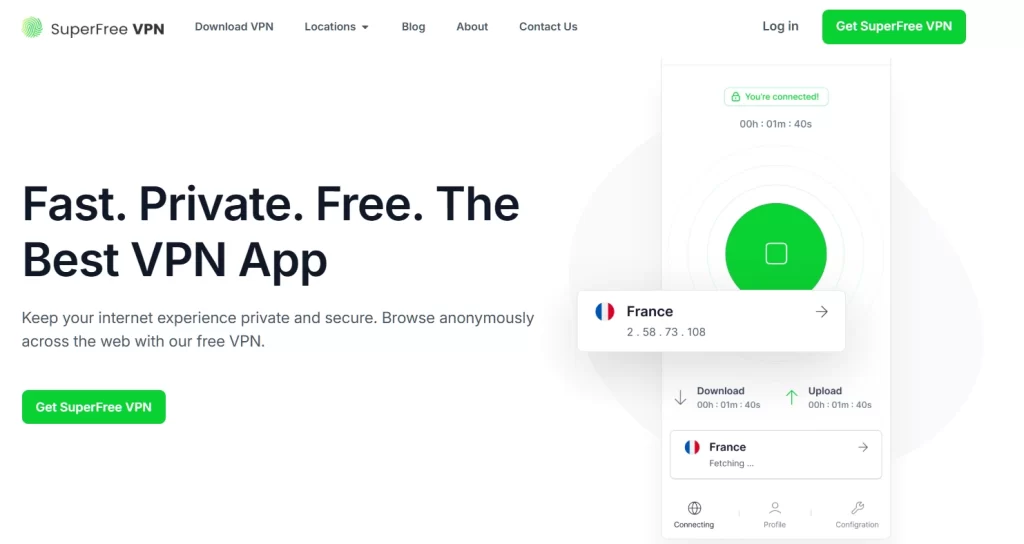
CDNs are great for faster website loading speeds…
But if you want to browse securely and without revealing your identity? This is where you need a reliable VPN, such as SuperFree VPN.
With its strong encryption and no-log policy, we promise to keep your browsing data secure, without any third party accessing it.
You can choose any server from 30+ countries, and surf the internet by avoiding any region-based restrictions.
And here’s the best part: it’s 100% free; you don’t even have to enter the credit card information.
Just download the SuperFree VPN app on your device, and surf the internet securely and anonymously.